When a hot, dry summer settles over Southern Idaho, the first place many families notice it is not the weather forecast. It is the kitchen faucet. Pressure drops in the afternoon, the shower sputters, and the water turns cloudy or comes out in bursts of air. If your well is running dry this summer, you are not imagining it, and you are not alone.
Across Oneida, Franklin, Bannock, and Bear Lake counties, homeowners on private wells are watching their water levels fall. The good news is that a low well is almost always fixable. This guide explains what a falling water table looks like at the tap, what is driving it right now, and the real options for getting your water back, from lowering the pump to deepening the well.
What Idaho’s 2026 Drought Is Doing to Your Groundwater
Wells do not refill from thin air. They depend on recharge: the snowmelt and rain that soak into the ground and slowly replenish the aquifers your pump draws from. When recharge falls behind, static water levels drop.
2026 has been a hard year for recharge in East Idaho. The state declared a drought emergency covering all 44 counties after one of the lowest April snowpacks on record. In parts of East Idaho, snowpack ran roughly 16 to 35 percent of normal, and what little snow there was melted out two to four weeks early. That means less water reaching the Upper Snake River Plain and the smaller valley aquifers that feed rural wells, right as summer irrigation and household demand peak.
You can check current conditions for your county on the U.S. Drought Monitor for Idaho, but you do not need a map to feel it. When the water table sits lower than it did last year, shallower wells and older pumps are the first to struggle.
Signs Your Well Is Running Low
A falling water table shows up in a handful of familiar symptoms. If you are seeing one or more of these, your well may be running low:
- Sputtering and air in the lines. When the water level drops near the pump intake, the pump starts pulling air along with water. You hear spitting at the faucet and see the stream surge and fade.
- Pressure that fades late in the day. Heavy afternoon use drops the level faster than the well can recover, so pressure is fine in the morning and weak by evening.
- Cloudy, sandy, or gritty water. A low water level pulls sediment from the bottom of the well into your system.
- A pump that runs longer or short-cycles. A pump reaching for water works harder and runs hotter, which shortens its life.
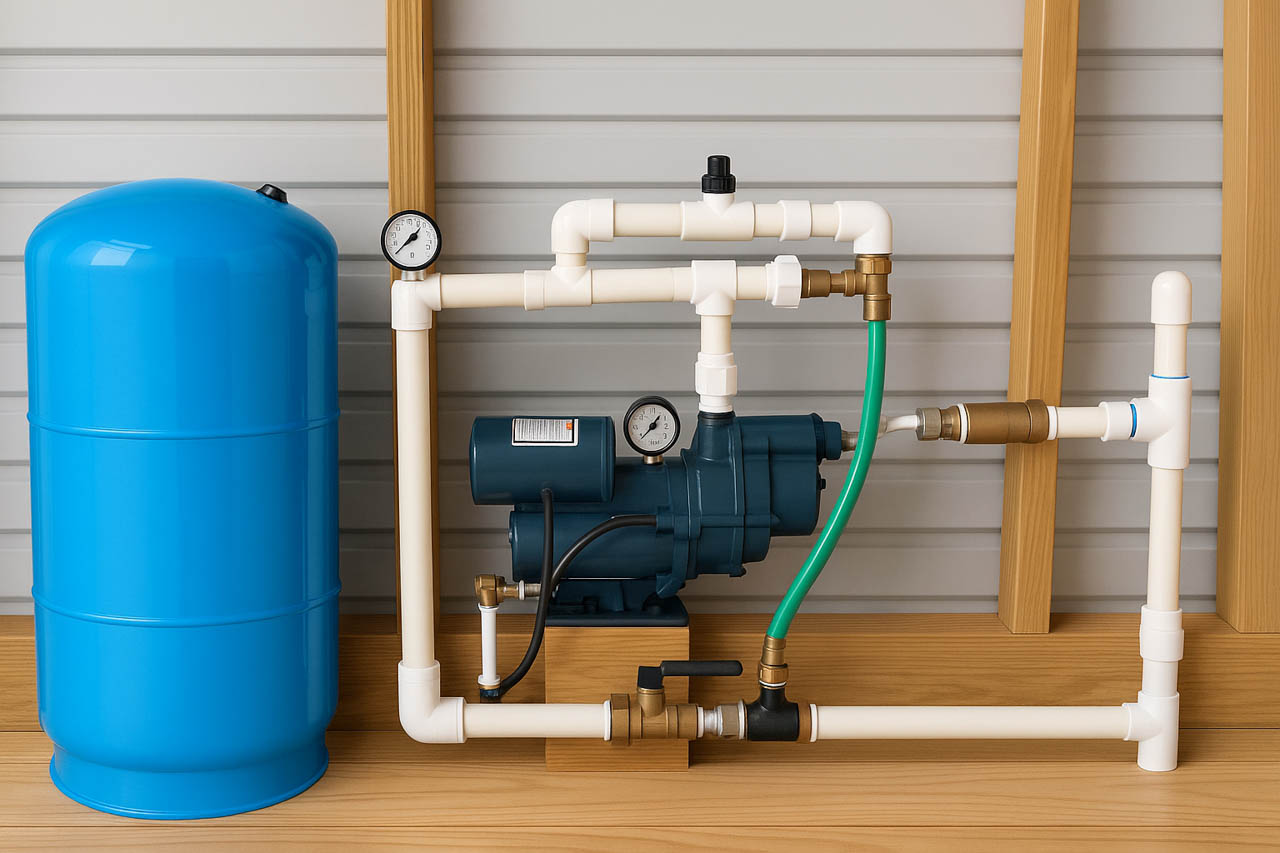
Some of these same symptoms can also point to a failing well pump rather than a low water table. If you are not sure which one you are dealing with, it helps to understand how a well pump actually moves water, and it is worth having the system checked before you assume the worst.
How to Fix a Well With a Falling Water Level
Here is what most articles leave out: a low well is not automatically a dead well. Depending on how deep your well is drilled and where the water sits, there are three main ways to restore your supply. A licensed driller will measure your well first (more on that below) and then recommend the least expensive option that will actually last.
1. Lower the pump
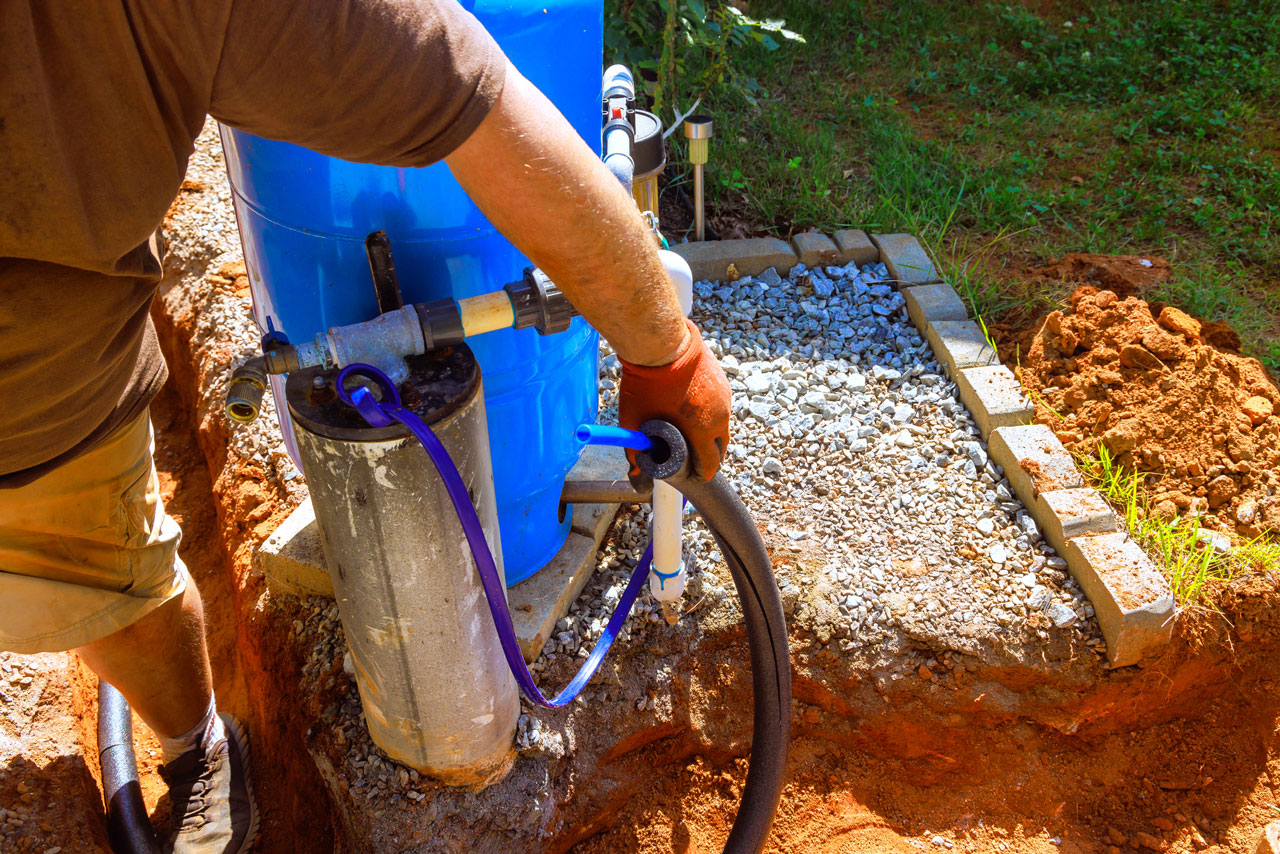
If your well was drilled deeper than the pump currently hangs, the simplest fix is often to lower the pump so it sits safely below the new water level. This is the fastest and most affordable option when there is still water in the borehole below the intake. Lowering a well pump can buy back your yield without any drilling at all.
2. Deepen the existing well
When the pump is already near the bottom and the water has dropped below it, deepening the existing well can reach a lower, more reliable layer of the aquifer. Well deepening in Southern Idaho is a common answer to a dropping static water level, and it reuses the well you already have instead of starting over.
3. Drill a new, deeper well
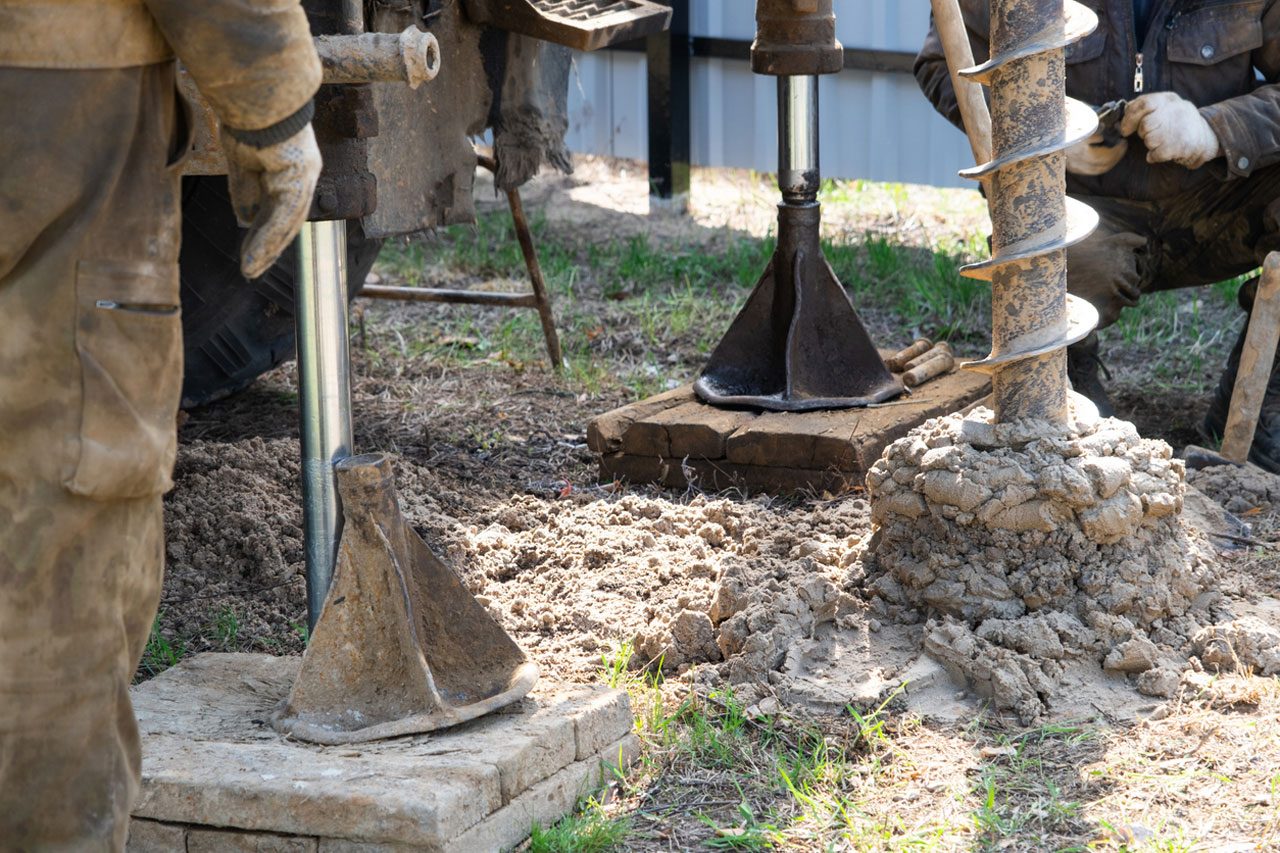
If the existing borehole cannot be deepened safely, or the local geology calls for it, drilling a new, deeper well gives you the most dependable long-term supply. It is the largest investment of the three, but for a home that has outgrown a shallow well, or a well that goes dry every drought year, it is often the last fix you will ever need.
Why Running a Pump Dry Destroys It
If you take one thing from this guide, take this: do not let your pump run dry. Submersible well pumps are cooled and lubricated by the very water they move. When the level drops to the intake and the pump starts drawing air, it overheats within minutes. Bearings and seals fail, the motor can burn out, and a repair that might have been a simple pump lowering becomes a full pump replacement.
During a low-water summer, protect your pump. Spread out heavy water use, avoid running irrigation and household demand at the same time, and ask your driller about a low-water cutoff switch that shuts the pump down before it can run dry. If your pump is already old or struggling, our team can look at your pump and pressure system and tell you honestly whether it needs protection, service, or replacement.
Static vs. Pumping Water Level: How We Measure Your Well
Before recommending any fix, a driller needs two numbers. The static water level is where the water naturally sits when the pump has been off and the well has rested. The pumping water level, also called drawdown, is where the level settles while the pump is actively running. The gap between them tells us how hard your well is working and how much room there is between the water and your pump.
We measure these with a water-level probe dropped down the well casing, along with the well’s original driller’s log when it is available. Comparing today’s static level to the level recorded when your well was first drilled shows exactly how far the water table has fallen, and that is what determines whether lowering the pump is enough or whether deepening makes more sense.
When a Low Well Becomes a Water-Right Question
In some parts of the area, fixing a well is not only a mechanical decision, it is a water-law one. Around Malad City and the Malad Valley, groundwater is managed carefully, and deepening a well or drilling a new one can involve water-right and permitting rules through the Idaho Department of Water Resources. A local driller who works in Oneida County every week will know when your project needs a permit and can keep you on the right side of the rules.
This is one more reason to call a driller who knows the ground under your feet rather than a general contractor from out of the area. If you have questions about permits for your specific property, reach out and we will point you in the right direction.
Do Not Wait for the Well to Go Dry
The worst time to fix a falling well is the day it finally quits, usually in the middle of a July heat wave when every driller in the region is booked. If your pressure is fading, your water is turning cloudy, or you are hearing air in the lines, have your well checked now, while you still have options.
Evans Well Drilling has served rural families across Southern Idaho and Northern Utah for years, from Malad City and Preston to Logan and the surrounding valleys. We can measure your water level, tell you exactly why your well is running low, and fix it the most affordable way that will last. Call us at +1 208-815-0177 or request a callback, and let us keep the water flowing.